
Contact Sales on +44 (0)1472 240940
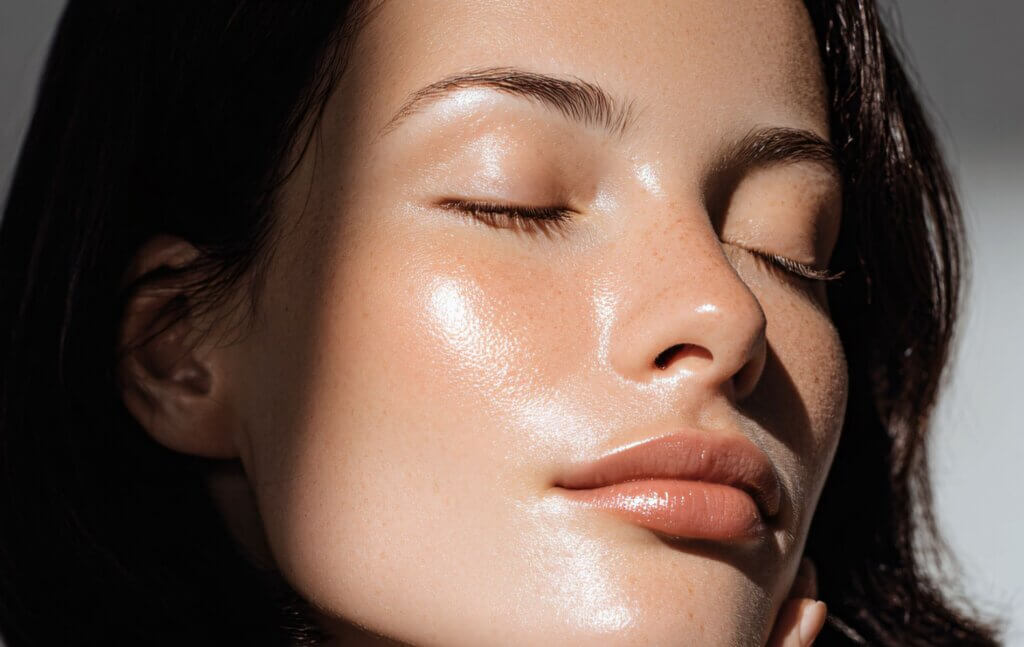
Beauty is no longer just cosmetic — it’s becoming health-integrated. In 2026, we’re seeing consumers treat beauty like a personal wellness program: measurable, preventative, and designed to optimise how they feel and how they look.
This shift has a name: beauty biohacking + metabolic beauty. It’s the mindset that “future-proofing” your appearance is about supporting the body’s underlying systems — from cellular energy and hormones to sleep and stress.
Metabolic beauty is the idea that your metabolic and hormonal health sits underneath the outcomes people want from beauty products — clearer skin, stronger hair, more resilient aging. Mintel describes 2026 as a key inflection point where beauty becomes “health-integrated” and metabolic wellness becomes a foundation, not a niche add-on.
In practice, that means:
Biohacking beauty is driven by consumers who see prevention is better than cure — and who actively “stack” tools, routines and products to optimise results. The trend is defined by convergence: skincare, supplements and devices moving closer together under one “personal health toolkit”.
You’ll see this in:
A biohacking/metabolic beauty shelf in 2026 looks…functional. Expect:
This audience is ingredient-savvy and sceptical. The winning tone is evidence-based and responsibly framed — not miracle promises.
A strong pattern:
Biohacking beauty doesn’t just need to look credible — it needs to perform under real use. If you’re building in this space, a few questions help de-risk decisions early:
If metabolic beauty/biohacking is part of your 2026 roadmap, the best move is turning the trend into concrete packaging requirements.
Horizon House
Estate Road Five
Grimsby
DN31 2TG
Please note: Free shipping is available to mainland UK addresses only. We review all requests and will reach out to you if we need any additional information before organising the shipment. Thank you for your interest!
Thank you for your enquiry, whilst this is an automated message, we want you to know that we have received your enquiry and will be responding to you soon!
If there is anything you wish to discuss urgently, please contact us on +44 (0)1472 240940.